Debunking Myths: Is uPVC Spraying Really Eco-Friendly in the UK?
JG
In recent years, there has been a growing interest in sustainable home improvement methods. Among these, uPVC spraying has emerged as a popular choice for homeowners looking to refresh their home's appearance without replacing windows and doors. But the question remains: is uPVC spraying truly eco-friendly in the UK?
Understanding uPVC Spraying
uPVC, or unplasticized polyvinyl chloride, is a commonly used material in windows and doors due to its durability and low maintenance. Spraying involves applying a specialized paint to the uPVC surface to change its color or restore its original look. This process offers a cost-effective alternative to full replacements.
The Eco-Friendly Claim
Proponents of uPVC spraying often highlight its environmental benefits. By refurbishing rather than replacing, homeowners can significantly reduce waste. Additionally, the paints used are typically water-based, which are generally less harmful to the environment compared to solvent-based options.
However, not all paints are created equal. It is crucial to select products that are specifically designed to be eco-friendly, ensuring they have low volatile organic compounds (VOCs) that contribute to air pollution.
Comparing with Replacement
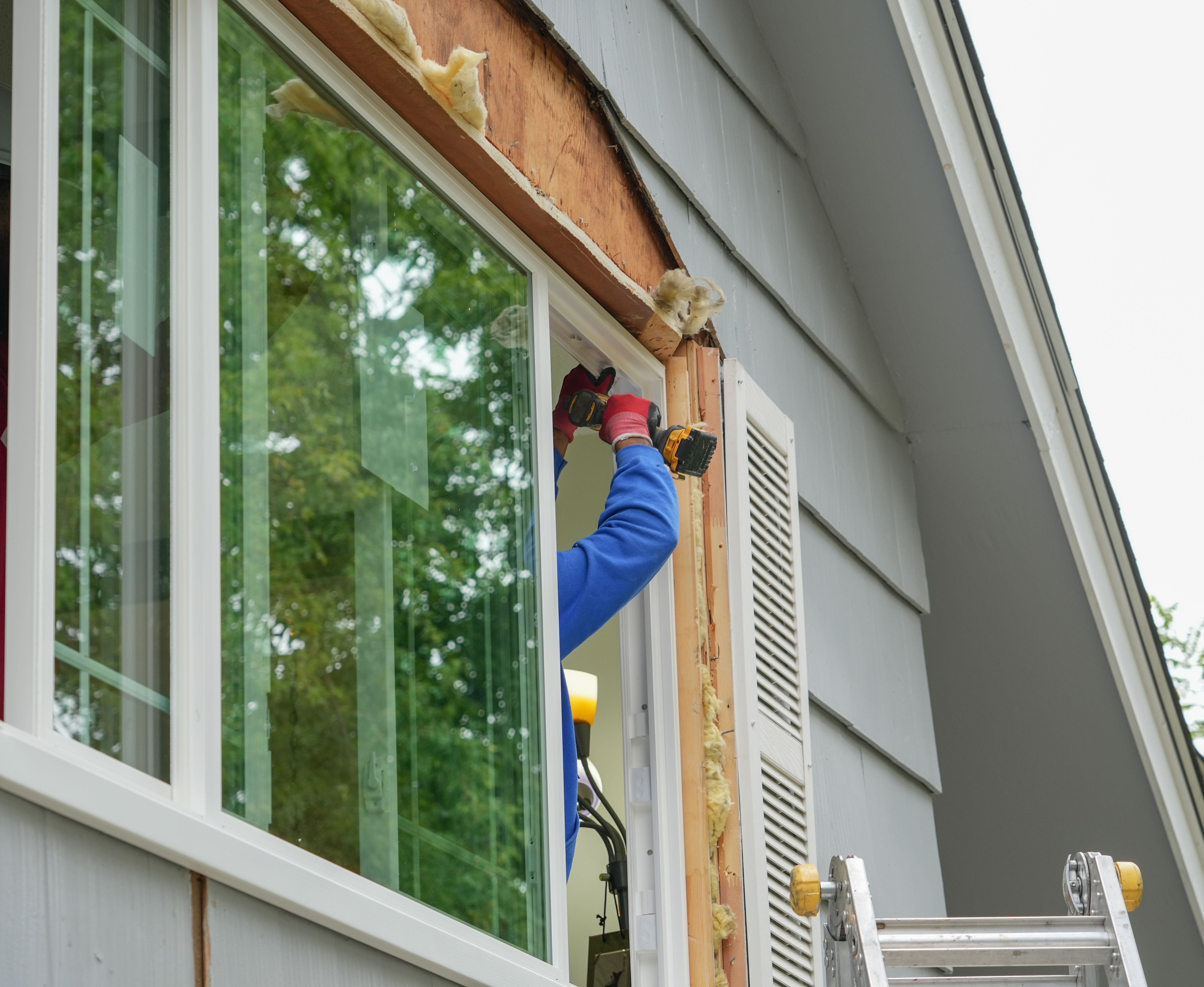
When compared to replacing windows and doors, which involves manufacturing and transporting new materials, uPVC spraying undoubtedly has a lower carbon footprint. Manufacturing uPVC is energy-intensive, and disposal of old materials adds to landfill waste.
Considerations for Homeowners
While uPVC spraying presents an eco-friendlier option, homeowners should consider a few factors:
- Quality of Paint: Ensure the paint is certified as low-VOC and eco-friendly.
- Professional Application: Hiring a professional ensures minimal waste and efficient use of materials.
- Longevity: A high-quality spray can extend the life of uPVC, further reducing environmental impact.
Limitations of uPVC Spraying
Despite its benefits, uPVC spraying is not without limitations. It may not be suitable for severely damaged or worn-out uPVC, where replacement might be the only viable option. Additionally, color choices might be limited compared to a complete replacement.

Conclusion
Overall, uPVC spraying can be an eco-friendly choice for homeowners in the UK, provided the right products and methods are used. By extending the life of existing structures and minimizing waste, it aligns well with sustainable home improvement practices. However, careful consideration of materials and professional application is essential to maximize its environmental benefits.
As with any home improvement decision, weighing the pros and cons is crucial. For those seeking to enhance their home's aesthetics while reducing environmental impact, uPVC spraying remains a compelling option.